“I rented a Toyota Camry HEV which had an electric motor but did not require charging. What kind of technology is that?”
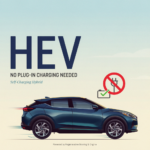
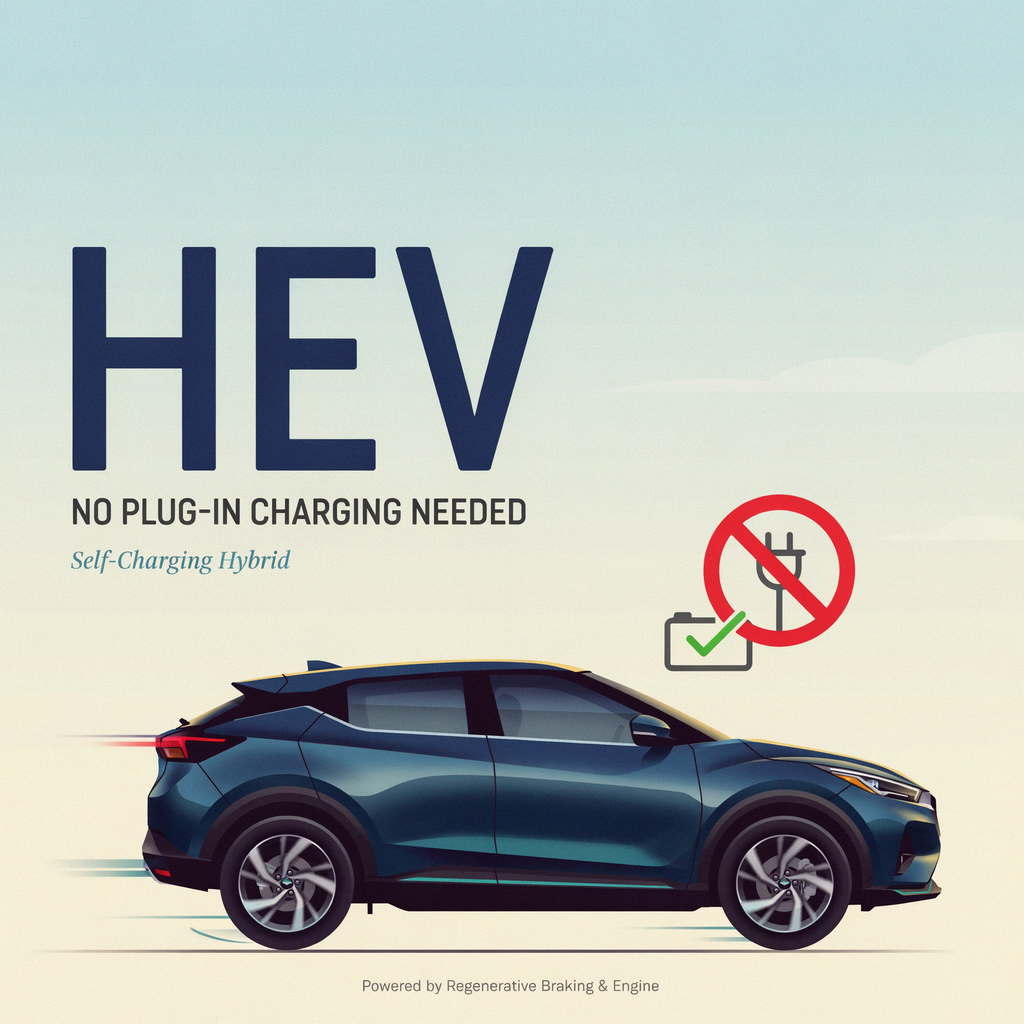
That technology is known as a traditional hybrid, officially called a Hybrid Electric Vehicle (HEV) or often marketed as a “self-charging hybrid.” Pat Lobb Toyota of McKinney
Unlike a Plug-in Hybrid (PHEV) or a fully electric vehicle (EV), you never have to plug an HEV into a wall outlet.
It manages its own energy entirely behind the scenes using two primary methods to keep that electric motor powered: Toyota Canada
-
Regenerative Braking: Every time you lift your foot off the gas pedal or press the brakes, the electric motor reverses direction and acts as a generator. It captures the car’s forward momentum (kinetic energy) that would normally be wasted as brake pad heat and converts it back into electricity to top up the battery. Toyota Canada+ 1
-
The Gas Engine as a Generator: When the battery gets low, or when you need an extra burst of acceleration, the onboard 4-cylinder gas engine automatically kicks on. It drives the wheels directly while simultaneously spinning an internal generator to pump electricity back into the hybrid battery. Pat Lobb Toyota of McKinney
Toyota manages this using a specialized component called a planetary gearset (the core of their Hybrid Synergy Drive system).
Instead of a traditional transmission shifting gears, this mechanical brain acts like a continuous scale—constantly splitting and blending power between the gas engine, the electric motor, and the battery depending on how fast you are driving. Wikipedia+ 1
At low speeds or when idling, the gas engine will often shut off completely, allowing you to cruise silently on pure electricity.
When you step on the gas, both systems work in tandem to give you maximum efficiency and instant torque.
It gives you the fuel-saving perks of an electric motor without ever having to worry about finding a charging station. Markville Toyota+ 1
It is a fair question.
Conventional hybrids seem like the perfect compromise—they give you excellent fuel economy without any of the “range anxiety” or charging infrastructure headaches of a pure electric vehicle (EV).
While they are highly popular and currently seeing a massive surge in sales, they haven’t completely monopolized the market due to a combination of manufacturing complexity, highway physics, and shifting consumer goals.
1. The “Two Engine” Complexity & Cost
A conventional hybrid doesn’t choose between gas and electric; it carries both.
To build a Camry HEV, Toyota has to install a full gas engine, an exhaust system, fuel tanks, plus electric motors, a high-voltage battery pack, complex power inverters, and a specialized planetary gear transmission. Reddit
-
Sticker Price: All those extra parts mean a hybrid usually carries a higher upfront cost than an identical, purely gas-powered car. JD Power
-
Maintenance Perception: While modern hybrids are incredibly reliable, buyers are sometimes intimidated by the thought of maintaining two distinct systems. If a component in the hybrid system fails outside of its warranty, repairs can be costly. JD Power
2. Diminishing Returns on the Highway
Hybrid technology is at its absolute best in heavy city traffic, stop-and-go commutes, and urban driving.
That is where regenerative braking can constantly recapture energy, and the car can glide along on pure electricity. Ira Toyota of Manchester
However, once you get onto the highway and cruise at steady speeds of 70+ mph (110+ km/h), the physics change.
The electric motor rarely gets a chance to take over, and the car is mostly propelled by the gas engine.
On top of that, the gas engine now has to haul around the extra weight of the heavy hybrid battery and electric motor.
For long-distance highway drivers, the fuel savings over a modern, efficient gas car can shrink significantly. Reddit
3. Split Market Demographics
The automotive market has largely splintered into three distinct camps based on what drivers prioritize:
-
The Budget-Conscious: Buyers looking for the absolute lowest upfront purchase price still opt for traditional internal combustion engine (ICE) vehicles.
-
The Maximum-Efficiency Seekers: Drivers who want high MPG without changing their habits choose conventional hybrids.
-
The Early Adopters & Home-Chargers: Drivers looking to eliminate gasoline completely skip right past hybrids and buy pure Battery Electric Vehicles (BEVs), especially if they can plug in overnight at home.
4. Supply and Production Constraints
For a long time, many major automakers simply didn’t invest heavily in traditional hybrids.
While Toyota spent decades perfecting its Hybrid Synergy Drive, competitors like Volkswagen or General Motors largely chose to focus their research and development budgets on transitioning straight from gas to pure electric vehicles.
Because fewer brands offered robust hybrid lineups, consumers had fewer options, which naturally kept market share capped.
The Current Reality: The tide is actually shifting. As pure EV growth has leveled off due to high costs and public charging frustration, traditional hybrids have become the fastest-growing segment in the market. Automakers are rapidly adding hybrid options to SUVs, trucks, and sedans to meet this exact consumer demand. Toyota of Paris